
How a lie detector test works
From the first phone call to the written report, this is exactly what happens and what is expected of you.
The process, step by step
Nothing here is a surprise on the day. The examiner walks the examinee through every question before anything is recorded.
-
Free consultation
Call the helpline and talk it through with no obligation. We will tell you whether an examination suits your situation and what it can and cannot establish.
-
Agree the questions
Questions must be specific, close-ended and about facts rather than opinions or beliefs. Our team refines the wording with you before the test date.
-
Book and confirm
A €125 booking fee secures the examiner, the venue and your slot. The rest of the price is the examiner’s fee, paid directly to the examiner.
-
Pre-test assessment
On the day the examiner explains the process, reviews each question with the examinee and confirms they understand and consent before anything is recorded.
-
The examination
The instrument records physiological responses across the agreed question set. Allow up to two hours from arrival to finish.
-
Result and written report
The examiner scores the charts and gives you the result the same day, followed by a detailed written report at no extra charge.
What the instrument records
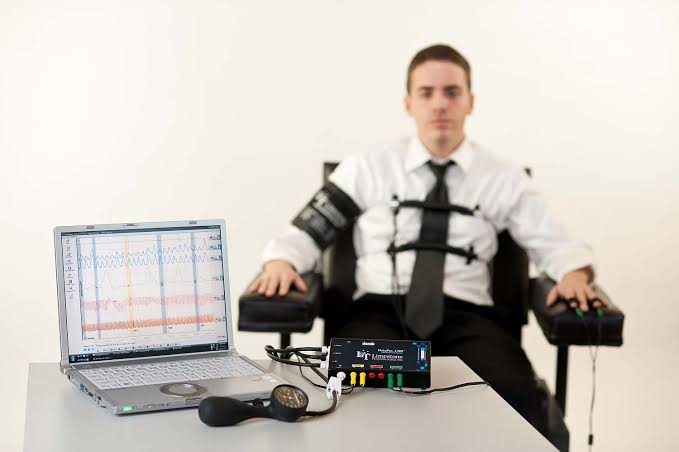
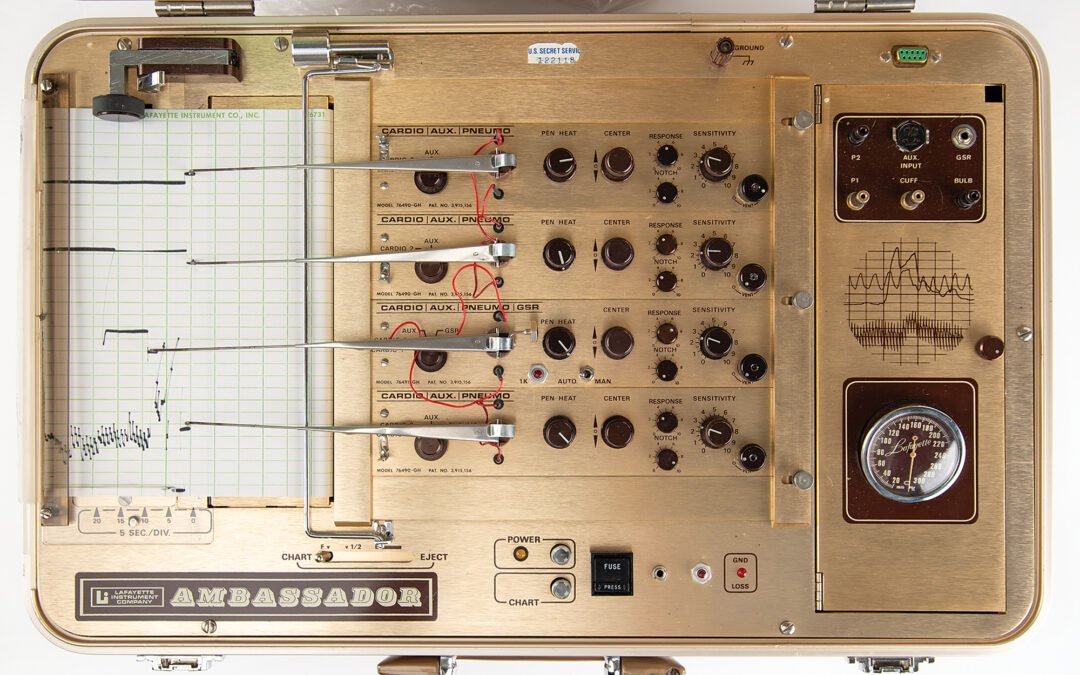
A polygraph records several physiological channels at once while the agreed questions are put to the examinee — breathing, cardiovascular activity and electrodermal activity among them. The examiner scores the resulting charts against a recognised methodology rather than reading them by eye.
The instrument does not detect lies on its own. What produces a defensible result is the combination of correctly calibrated equipment, a controlled environment, properly constructed questions and an examiner trained by one of the governing associations. Remove any one of those and the accuracy figure stops meaning anything.
How the questions are built
Questions must be specific, close-ended and about matters of fact — not opinions, feelings or beliefs. “Did you take the money from the safe on the 14th?” can be tested. “Do you still love me?” cannot. Most clients propose their own questions and our support team refines the wording with them before the test date.
A standard two-hour examination covers one to three specific issue questions on a single issue, alongside the profiling questions used to establish how that particular examinee responds. Questions that stray onto a second, unrelated issue belong to a separate test case.
On the day
Attend as your normal self. Do not withdraw from prescribed medication for the test — that is far more likely to affect the examination than taking it as usual. Nervousness is expected and the test is designed around it: the varied question set builds a profile of the individual, so general anxiety is distinguished from a response to a specific question.
Consent is required, every time
Nobody can be compelled to sit a polygraph examination. Every examinee consents freely and in writing after the process has been explained, and may stop at any point. If you are arranging a test for someone else, talk to us first about how to raise it properly.
Your result and report
The examiner scores the charts and gives the result the same day, followed by a detailed written report at no extra charge. The report is released to the client only. Nothing is shared with anyone else without your written instruction.
At a glance
Settle it this week
The consultation is free and takes about ten minutes. We will tell you honestly whether an examination is the right step before you commit to anything.